Average fibre intake is roughly half the recommended amount. Here is which foods deliver the most fibre per serving, and how to build meals around them.
Fibre is the least interesting nutrient in popular health coverage and one of the best evidenced. It has no marketing budget, no mechanism that makes a good headline, and a name that suggests obligation rather than benefit. It also has one of the largest bodies of outcome data behind it of anything on your plate — and almost everyone is eating about half of what they should.
Why this is worth fixing
The strongest evidence comes from a 2019 series of systematic reviews and meta-analyses published in The Lancet, pooling 185 prospective studies and 58 controlled trials. Comparing the highest fibre consumers against the lowest, it found reductions in the region of 15 to 30% for all-cause mortality, cardiovascular mortality, coronary heart disease, stroke incidence, type 2 diabetes, and colorectal cancer.


The dose-response relationship is the part worth noting. Benefits continued to increase across the intake range studied, with the clearest gains between 25 and 29 grams a day and no sign of a plateau below that. Most people are nowhere near it.
Soluble, insoluble, and what actually matters
The labelling distinction is worth understanding without over-weighting it.
Soluble fibre — oat beta-glucan, psyllium, pectin in fruit, the fibre in legumes — dissolves into a viscous gel. That viscosity slows gastric emptying and glucose absorption, and binds bile acids, which is the mechanism behind its cholesterol-lowering effect. Around 3 grams a day of oat beta-glucan, roughly what you get from a large bowl of porridge, is the amount behind approved health claims for lowering LDL cholesterol.
Insoluble fibre — wheat bran, skins, the structural parts of vegetables — adds stool bulk and speeds transit.
Most foods contain both, and the more useful biological distinction is actually how readily gut bacteria ferment a given fibre. For practical purposes, though, the question of soluble versus insoluble matters far less than the question of total amount, which is where nearly everyone’s gap sits.
Where the grams actually are
- Chia seeds, 25g — around 8g, the densest common source
- Lentils or split peas, 100g cooked — around 8g; kidney and black beans around 7g
- Wholewheat pasta, 75g dry — around 7g
- Raspberries or blackberries, 100g — around 5–6g, well ahead of most other fruit
- Wholemeal bread, two slices — around 5g
- Half an avocado — around 5g
- Rolled oats, 50g dry — around 4.5g
- Almonds, 30g — around 3.5g; broccoli, 100g — around 2.6g
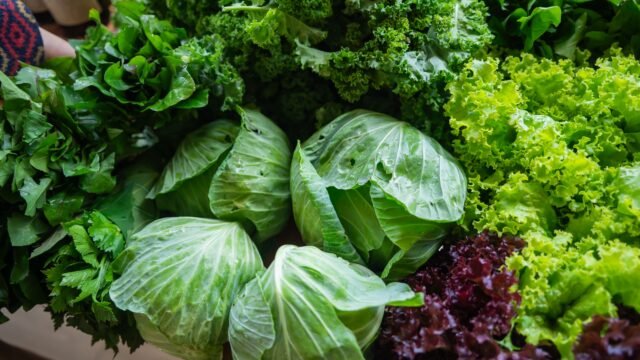
That last pairing is the one that reframes the problem. Broccoli is the food people picture when they think about fibre, and a decent portion supplies under 3 grams. Reaching 30 grams on broccoli alone would take around twelve portions. A single tin of lentils does the work of three of them.
You cannot get to 30 grams on vegetables. The heavy lifting is done by legumes, whole grains, seeds and pulses.
— WellnessLife editorial
Why most people fall short
Three structural reasons, none of which involve not eating enough salad.
Refined grains are the default. White bread, white pasta, white rice and most breakfast cereals have had the fibre-bearing bran removed. Since grains appear at most meals, this is the single largest source of the shortfall, and swapping them is the highest-yield change available.
Legumes have quietly disappeared. Beans, lentils, chickpeas and split peas are the most fibre-dense ordinary food, the cheapest source of it, and largely absent from British and American cooking outside a few specific dishes.
Animal foods contain none. Meat, fish, eggs, and dairy supply zero fibre. A diet built around protein without deliberate attention to plant foods will be low in fibre regardless of how healthy it otherwise looks.
Building meals around it
The efficient approach is substitution rather than addition, because adding requires remembering and substituting does not.
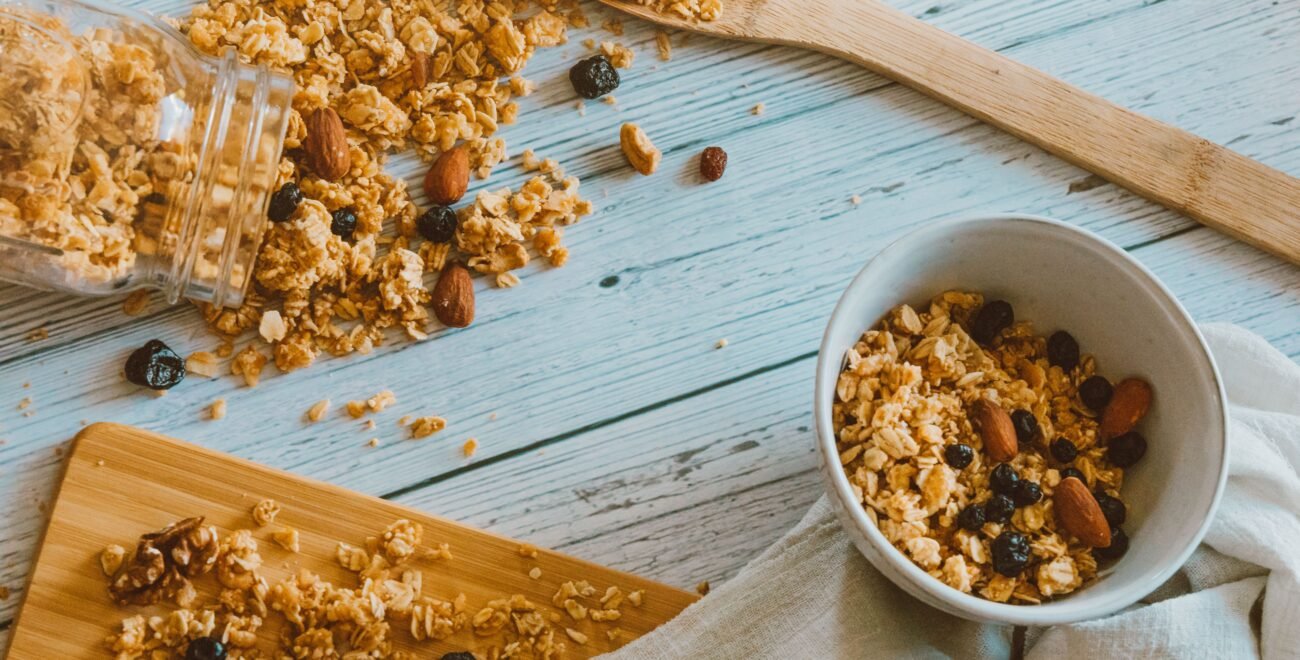
Switch the grain rather than adding a side: wholemeal bread, wholewheat pasta, brown rice or barley. Put a tin of pulses into things that already exist — lentils into a bolognese, chickpeas into a curry, butter beans into a soup — where they add fibre without registering as a new dish. Choose berries over most other fruit when you want fruit. Keep chia or mixed seeds somewhere visible and add a spoonful to yoghurt or porridge.
A day that includes porridge with seeds and berries, a lunch with pulses or wholegrain bread, and a dinner with a wholegrain and two vegetables lands around 30 grams without anything unusual on the shopping list.
Going slowly, and who should be careful
Increasing fibre quickly produces bloating, wind, and discomfort — the most common reason people conclude fibre disagrees with them and revert. Gut bacteria adapt to a higher substrate load over weeks. Add roughly 5 grams a week rather than doubling intake overnight, and increase fluid intake alongside it, since viscous fibres need water to work as intended.
Two specific cautions. People with irritable bowel syndrome may find that certain high-fibre foods, particularly legumes and some fruits, worsen symptoms because of their fermentable carbohydrate content — that is worth working through with a dietitian rather than pushing past. And anyone with a diagnosed bowel condition or a history of bowel obstruction should take dietary fibre advice from their clinical team rather than from an article.
The practical takeaway
If you change one thing, change the grains — it applies at most meals and requires no new habits. If you change two, add a tin of pulses somewhere in your week and let it grow from there.
Fibre is unusual in being both boring and genuinely well evidenced. The dose-response data means there is no threshold to clear and then stop at: moving from 15 grams to 20 is worth doing even if 30 stays out of reach, which makes this one of the few areas in nutrition where partial effort is straightforwardly rewarded.
Sources
- Reynolds A, Mann J, Cummings J, Winter N, Mete E, Te Morenga L. “Carbohydrate quality and human health: a series of systematic reviews and meta-analyses.” The Lancet, 2019.
- Threapleton DE, Greenwood DC, Evans CEL, et al. “Dietary fibre intake and risk of cardiovascular disease: systematic review and meta-analysis.” BMJ, 2013.
- Whitehead A, Beck EJ, Tosh S, Wolever TMS. “Cholesterol-lowering effects of oat β-glucan: a meta-analysis of randomized controlled trials.” American Journal of Clinical Nutrition, 2014.
- McRorie JW, McKeown NM. “Understanding the physics of functional fibers in the gastrointestinal tract.” Journal of the Academy of Nutrition and Dietetics, 2017.
- Scientific Advisory Committee on Nutrition. Carbohydrates and Health — dietary fibre recommendations.