The largest gut health study found that eating 30 different plant foods a week was the strongest predictor of microbiome diversity. Here is how to get there.
Thirty is a strange number to build dietary advice around, and it has been repeated often enough that almost nobody asks where it came from. The answer is a single large observational study, and knowing how that study was designed tells you both why the advice is sound and why the specific figure should be held loosely.
Where the number comes from
The American Gut Project collected stool samples and dietary information from more than 10,000 volunteers — a citizen science effort rather than a controlled trial. When researchers compared participants by how many different plant types they ate weekly, those reporting more than 30 had measurably more diverse gut microbiomes than those reporting 10 or fewer, along with differences in short-chain fatty acid-producing bacteria and in antibiotic resistance genes.

Two things follow from the design. First, 30 is a comparison bucket, not a tested threshold. The study contrasted the highest group against the lowest; nothing identified 30 as the point where something changes. Twenty-eight is not a failure and 31 is not a milestone.
Second, it is observational and self-selected. People who volunteer to post their stool to a research project and can list 30 plant foods differ from the general population in income, education, and overall diet quality. The association is real; the causal claim is not established by this study.
Why variety rather than volume
The mechanism is what makes the advice worth taking seriously despite the caveats. “Fibre” is not one substance — it is a category covering inulin, resistant starch, pectin, beta-glucan, arabinoxylan and others, each fermented by different bacterial species. Add polyphenols, which are also metabolised by gut bacteria, and the variation between plant foods becomes substantial.
A bacterial species can only persist if the substrate it feeds on is present. Eating a large quantity of two or three plant foods supplies a narrow range of substrates and supports a narrow range of organisms. Eating smaller quantities of many supplies more. This is why variety and volume are different levers, and why someone eating a lot of one vegetable is not achieving the same thing as someone eating a little of ten.
The bacteria that ferment these fibres produce short-chain fatty acids, including butyrate, which is the primary fuel for the cells lining the colon. That is a genuine, well-described mechanism rather than an inferred one.
Is diversity actually the goal?
Worth pausing on, because the whole framing rests on it. Higher microbiome diversity is generally associated with better health outcomes, and lower diversity is a feature of several disease states. But diversity is a proxy measure, not an outcome in itself, and it is not universally desirable — infants have low-diversity microbiomes appropriate to their stage, and there is no established figure for how much diversity is optimal.
Treating a diversity score as a target to maximise goes beyond what the science supports. Treating plant variety as a reasonable dietary principle does not, because it happens to coincide with almost everything else the nutrition evidence recommends.
Thirty is not a magic number. It is the top bucket in an observational study — but the direction it points is sound.
— WellnessLife editorial
What actually counts
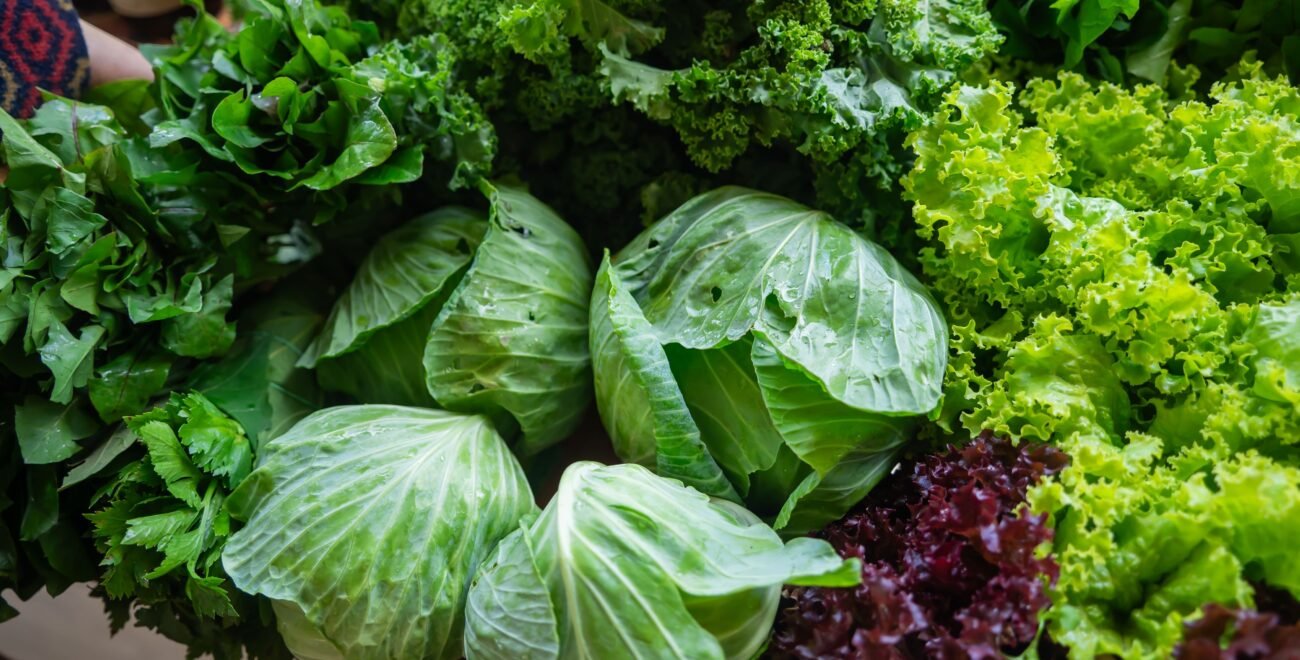
- Vegetables — each distinct type counts once, so a stir-fry of five vegetables is five
- Fruit — including frozen and tinned, which are nutritionally comparable and considerably cheaper
- Wholegrains — oats, brown rice, barley, rye, quinoa, buckwheat all count separately
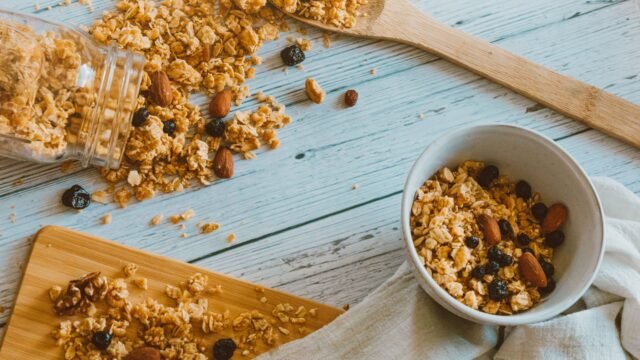
- Legumes — beans, lentils, chickpeas, peas; the most underused category in British and American diets
- Nuts and seeds — a mixed bag of four or five types delivers four or five, not one
- Herbs and spices — these count, and they are how most people actually reach 30 without buying anything unusual
- Also counted in the original framing — coffee, tea, and cocoa, all plant-derived and significant polyphenol sources
The herbs and spices point is the one that changes the arithmetic. A jar of mixed dried herbs, cumin, paprika, cinnamon, ginger, garlic and black pepper used across a week adds seven to the count for pennies. That is not gaming the system — polyphenol content per gram in herbs and spices is high, and they are genuinely fermented substrates.
The fibre baseline most people miss
Before chasing variety, there is a volume problem worth naming. Recommended fibre intake sits around 30 grams a day in UK guidance; average intake is closer to 19. In the US the gap is similar. Large systematic review evidence links higher fibre intake to lower rates of cardiovascular disease, type 2 diabetes, colorectal cancer, and all-cause mortality, with a dose-response relationship across that range.
That evidence base is considerably stronger than the microbiome diversity data, and it points the same way. If you only do one thing, eating more plant foods matters more than counting how many different ones.
How to get there without making it a project
Counting to 30 every week is tedious and unnecessary. Counting once, to see where you actually are, is useful — most people find they are somewhere between 12 and 20 and that the gap is concentrated in legumes, nuts, seeds, and grains rather than in vegetables.
The efficient moves are structural rather than effortful. Buy mixed frozen vegetables rather than single types. Keep tinned pulses and add them to things that already exist — a tin of butter beans into a soup, lentils into a bolognese. Buy mixed seeds instead of one kind. Rotate the grain rather than defaulting to the same one. And use the spice cupboard you already own more often than you currently do.
One caution: if you have IBS or a sensitive gut, increasing fibre variety quickly can worsen bloating and discomfort, and some of the highest-diversity foods are high in FODMAPs. Increase gradually over weeks rather than days, and if symptoms are significant, this is worth doing with a dietitian rather than alone.
The practical takeaway
Use 30 as a direction rather than a rule. The underlying evidence supports eating a wider range of plant foods; it does not support a precise number, and it does not establish that doing so causes better health rather than merely accompanying it.
What makes the advice worth following anyway is that it costs nothing to be wrong about. A diet with more legumes, more whole grains, more nuts and seeds, and more vegetables is better supported by the general nutrition evidence than almost anything else you could change — regardless of what it does to your microbiome.
Sources
- McDonald D, Hyde E, Debelius JW, et al. “American Gut: an open platform for citizen science microbiome research.” mSystems, 2018.
- Reynolds A, Mann J, Cummings J, Winter N, Mete E, Te Morenga L. “Carbohydrate quality and human health: a series of systematic reviews and meta-analyses.” The Lancet, 2019.
- Wastyk HC, Fragiadakis GK, Topf D, et al. “Gut-microbiota-targeted diets modulate human immune status.” Cell, 2021.
- Sonnenburg ED, Sonnenburg JL. Research on microbiota-accessible carbohydrates and dietary fibre deprivation.
- Scientific Advisory Committee on Nutrition. Carbohydrates and Health — dietary fibre recommendations.