Both promise strength, flexibility, and calm. But they deliver these things differently. Here is how to choose — and why you might want both.
They get lumped together constantly — same studios, same stretchy pants, same “mind-body” marketing language — but Pilates and yoga come from genuinely different places and are built to do different jobs. Knowing what each one is actually optimised for makes the choice a lot easier than “which one is trendier this year.”
Where they actually come from
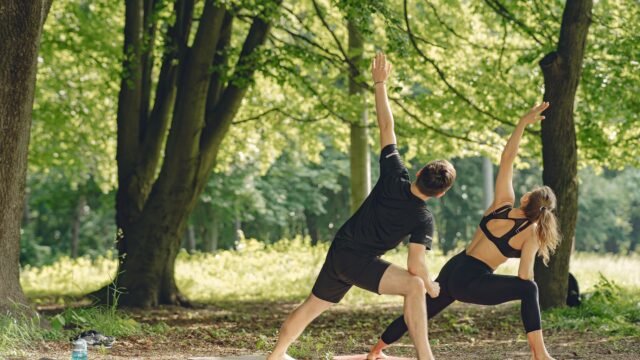
Yoga is an Indian practice with roots stretching back thousands of years, originally developed as a spiritual and meditative discipline — the physical postures (asanas) were designed to prepare the body to sit still for meditation, not as a fitness regimen in the modern sense. The physical benefits are real, but they were historically a means to a different end.

Pilates is a 20th-century invention. Joseph Pilates developed the method, originally called “Contrology,” in the early 1900s as a rehabilitation and conditioning system — first for fellow internees during the First World War, later refined for dancers and performers recovering from injury. It was built from the ground up as a physical-conditioning system focused on precise, controlled movement, core engagement, and alignment. That difference in origin still shapes what each one is best at today.
Spiritual practice versus rehabilitation engineering — that difference in origin still shapes what each one is best at today.
— WellnessLife editorial
What the research actually shows each one does
Core strength: edge to Pilates. Every Pilates movement is built around engaging the deep core and stabilising muscles — it is not incidental, it is the organising principle of the method. A study in the Journal of Strength and Conditioning Research found that after 12 weeks of Pilates, participants showed significantly greater abdominal endurance than a control group, including improved performance on sit-ups and push-ups and a stricter test of core control: lowering the legs toward the floor without the lower back lifting off the mat. Yoga does build core strength too — holding poses like plank or boat engages the same muscles — but it is a byproduct of the postures rather than the central focus the way it is in Pilates.
Flexibility: edge to yoga, but Pilates is not nothing. Yoga’s combination of sustained holds and a wide range of poses makes it generally the stronger flexibility tool, and it is the more heavily researched of the two on that specific outcome. That said, Pilates has shown measurable improvements in flexibility too — hamstring flexibility in particular shows up as a consistent finding in Pilates research, since many mat exercises actively lengthen the posterior chain even though flexibility is not the primary goal.
Strength beyond the core: edge to yoga, surprisingly. Because yoga uses bodyweight-holding poses across the whole body — chaturanga, warrior poses, arm balances — some research has found meaningful strength gains in the trunk and beyond from consistent practice, not just flexibility. It is a reminder that “yoga is just stretching” undersells what a demanding practice actually asks of the body.
Balance: no clear winner. Both practices improve it, but through different mechanisms. Yoga tends to build balance through static single-leg poses and proprioceptive awareness — tree pose, warrior III. Pilates builds it through dynamic, core-driven movement control. Neither has a clear research-backed edge here; they are different routes to a similar outcome.
Stress and mental state: edge to yoga. Yoga has the deeper and older research base connecting it to stress-hormone regulation and relaxation, largely because breathwork and meditation are built into the tradition itself rather than added on. Pilates’ breathing patterns support the movement rather than functioning as a standalone relaxation practice, so if calming the nervous system is your primary goal, yoga is generally the better-evidenced choice.
- Deep core strength and movement control: Pilates — it is the organising principle of the method, not a side effect
- Flexibility: yoga, on both the mechanism and the volume of research
- Whole-body bodyweight strength: yoga, which is the finding most people find counterintuitive
- Injury rehabilitation and chronic low back pain: Pilates, which was literally designed for it
- Stress regulation and nervous-system calm: yoga, where breathwork is built in rather than bolted on
- Balance: a genuine tie, reached by different routes
- Cardiovascular fitness and bone density: neither — both are complements to a broader routine, not substitutes for it
How to actually choose
If you are recovering from injury, dealing with chronic low back pain, or your main goal is building a genuinely strong, stable core and better movement control, Pilates’ rehabilitation-engineering roots make it a strong fit — it was quite literally designed for that purpose. If your priority is flexibility, stress reduction, or a practice that treats the mind and body as one project rather than two, yoga’s depth in those areas is hard to match.
Neither one replaces cardiovascular training or heavy resistance work for building serious strength or bone density — both are best understood as complements to a broader routine, not a complete one on their own. And there is a genuinely good case for doing both: they target different things closely enough that combining them covers more ground than either does alone, without much overlap to waste your time.
Sources
- Research in the Journal of Strength and Conditioning Research on 12-week Pilates training and abdominal endurance outcomes.
- Comparative research on yoga and trunk and core strength outcomes.
- Research on yoga, breathwork, and stress-hormone regulation.
- Pilates Method Alliance historical documentation on Joseph Pilates and the origins of Contrology.