

It has nothing to do with stretching or ice baths. The post-exercise window is one of the most underused tools in fitness — and it costs nothing.
The “one thing” here is eating — specifically, getting protein in within a couple of hours of training. That’s not a controversial claim. What’s more interesting, and what most gym-floor advice gets wrong, is why it matters and how urgent it actually is. This is the “anabolic window,” and it’s one of the more thoroughly re-examined ideas in exercise science over the past decade.
What’s actually happening physiologically
Resistance training creates genuine, measurable damage to muscle fibres, and in response, your body ramps up muscle protein synthesis — the process of repairing and building new muscle tissue. This isn’t a brief spike that closes after half an hour, as the old “30-minute window” rule implied. Research tracking this process shows muscle protein synthesis stays elevated for a much longer stretch — commonly cited as somewhere in the range of 24 to 48 hours after a hard training session, not minutes.
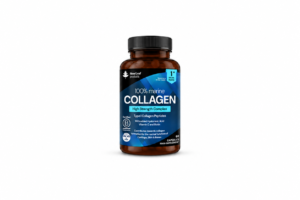
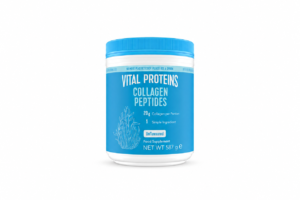
The 30-minute rule traces back to early studies and, not coincidentally, to decades of marketing from protein supplement companies with an obvious incentive to create urgency around “getting your shake in immediately.” The science underneath the myth was real — muscle genuinely is more receptive to protein after training — but the size of that receptive window got compressed for a much catchier sales pitch than the truth supported.
What the more recent evidence actually shows
A frequently cited 2013 meta-analysis by Brad Schoenfeld and colleagues examined this directly and found that when studies controlled for total daily protein intake, the apparent benefit of immediate post-workout protein mostly disappeared — the earlier positive findings were largely explained by people who timed their protein well also eating more protein overall that day, not by the timing itself. A 2017 randomized trial comparing pre-exercise versus post-exercise protein supplementation over 10 weeks of consistent training found essentially identical results in strength and body composition between the two groups.
The more nuanced position that’s emerged from this research: the window isn’t 30 minutes, and for most people eating regular meals, it isn’t really a “window” in the ticking-clock sense at all. If you ate a protein-containing meal one to two hours before training, the amino acids from that meal are typically still being digested and absorbed during and after your workout, which softens any urgency. Where timing matters more is training in a fasted state — if you haven’t eaten in several hours before exercising, getting protein in within roughly one to two hours afterward does appear to provide a modest, measurable benefit over waiting much longer.
What actually predicts results
Across the research, one variable consistently outweighs timing: total daily protein intake, and how evenly it’s spread across the day. Studies on protein distribution suggest spreading intake across 4–5 meals, each containing a meaningful dose of protein, produces better muscle protein synthesis over a full day than concentrating it into one or two large meals — regardless of exactly when relative to training those meals land.
The practical takeaway
If you train fasted, eating protein within a couple of hours afterward is a reasonable, evidence-backed habit — not because of a closing window, but because it’s a convenient anchor point in a day where total intake is what really counts. If you ate protein beforehand, there’s no metabolic emergency if your post-workout meal is two or three hours out. The elite-athlete habit worth copying isn’t the clock-watching — it’s the consistency: hitting a solid protein target, spread across the day, every single day, which is a far less dramatic story than “the 20-minute window” but the one the evidence actually supports.
Sources
- Schoenfeld BJ, Aragon AA, Krieger JW. “The effect of protein timing on muscle strength and hypertrophy: a meta-analysis.” Journal of the International Society of Sports Nutrition, 2013.
- Schoenfeld BJ, et al. “Pre- versus post-exercise protein intake has similar effects on muscular adaptations.” PeerJ, 2017.
- Aragon AA, Schoenfeld BJ. “Nutrient timing revisited: is there a post-exercise anabolic window?” Journal of the International Society of Sports Nutrition, 2013.
- Schoenfeld BJ, Aragon AA. “How much protein can the body use in a single meal for muscle-building? Implications for daily protein distribution.” Journal of the International Society of Sports Nutrition, 2018.